古遠部鉱山跡
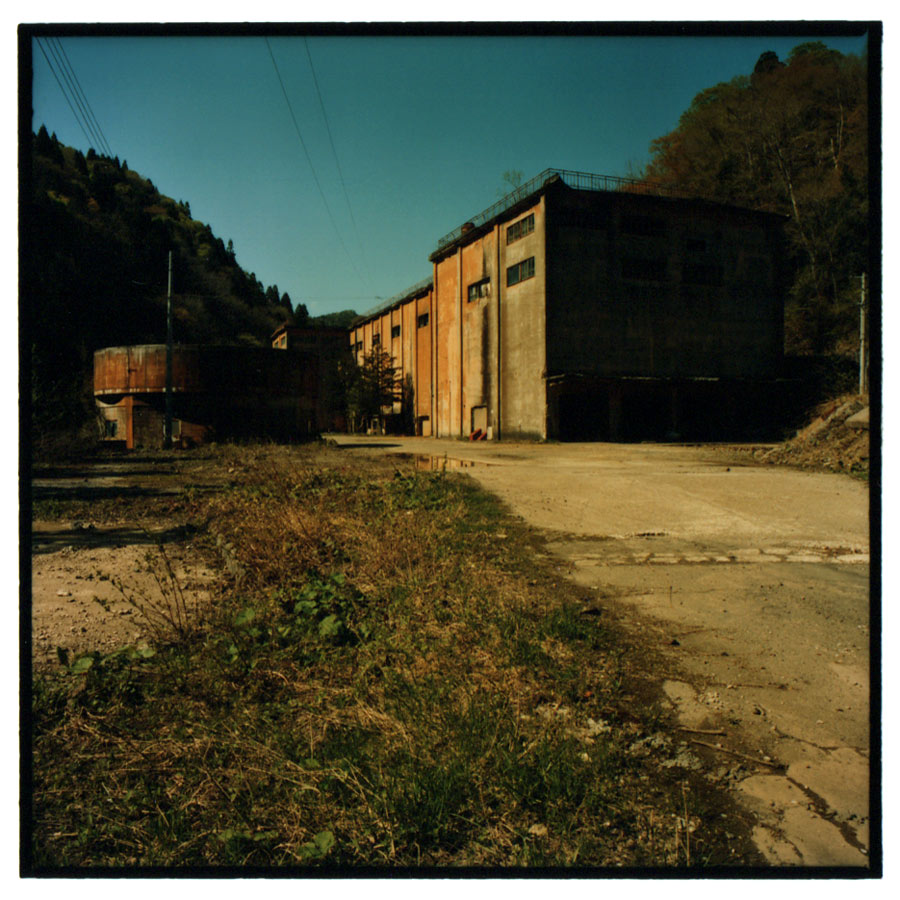
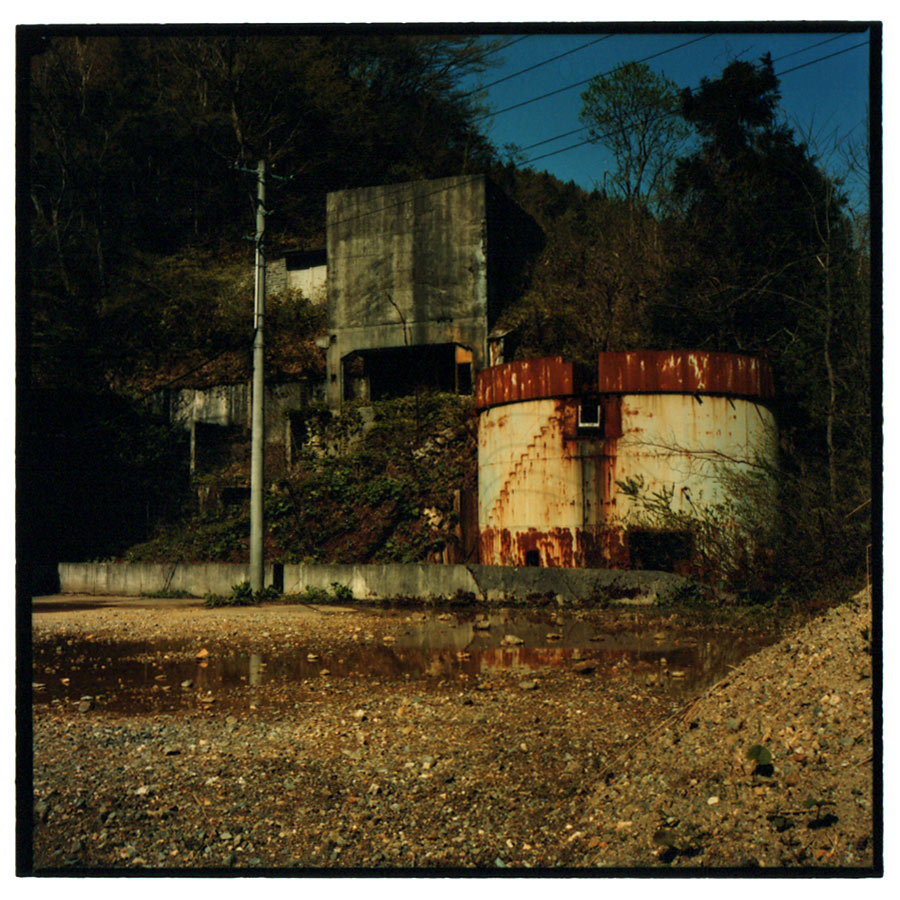
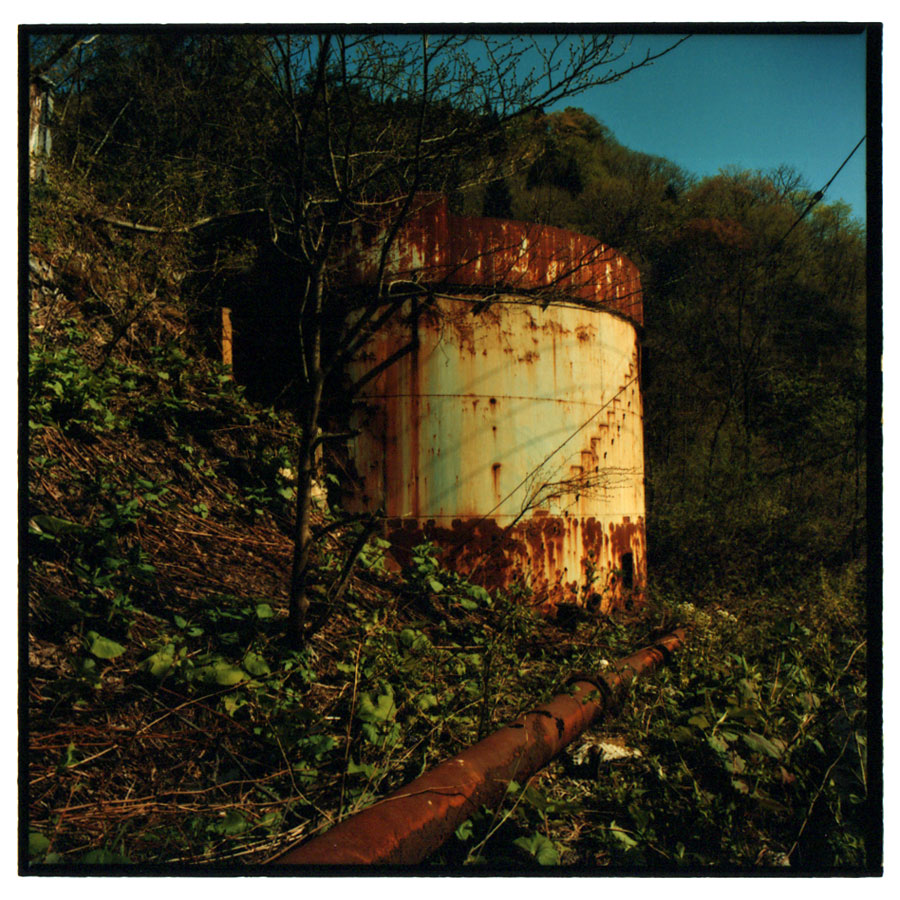
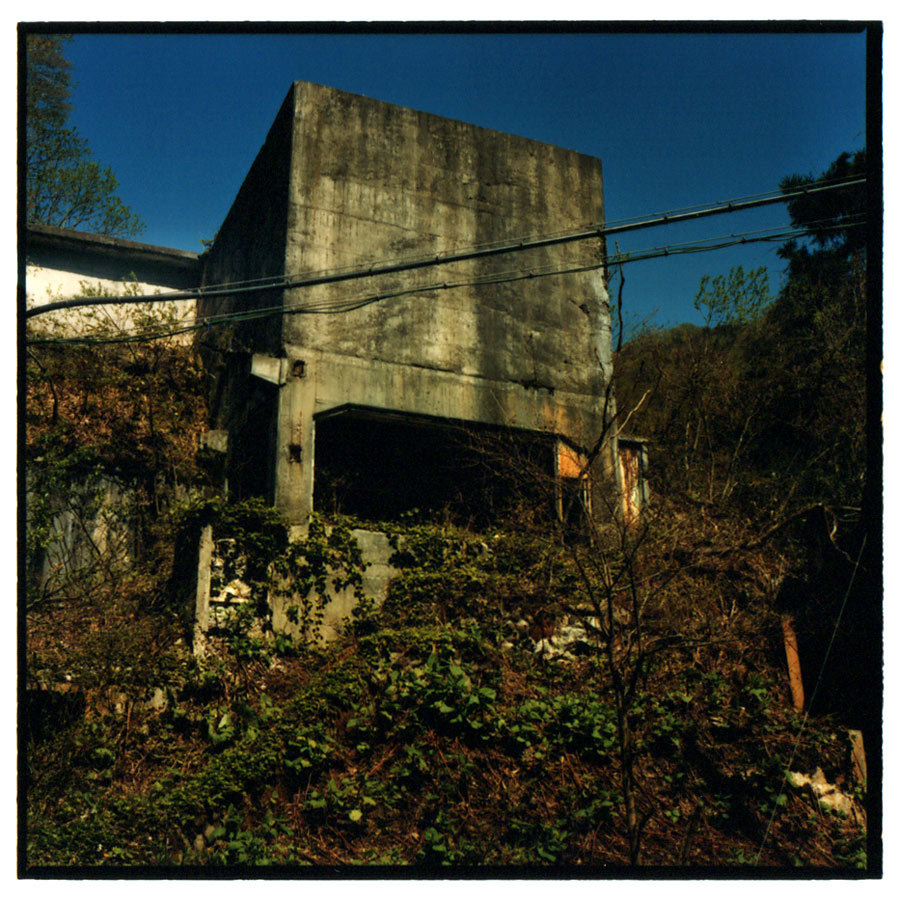
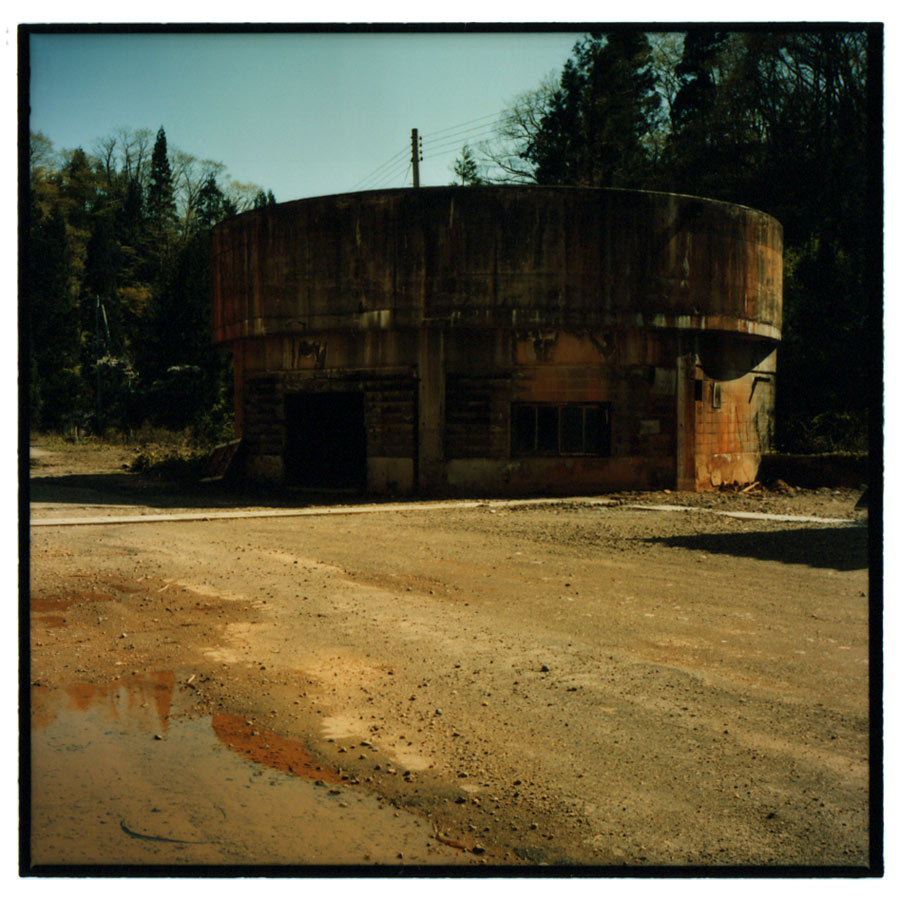
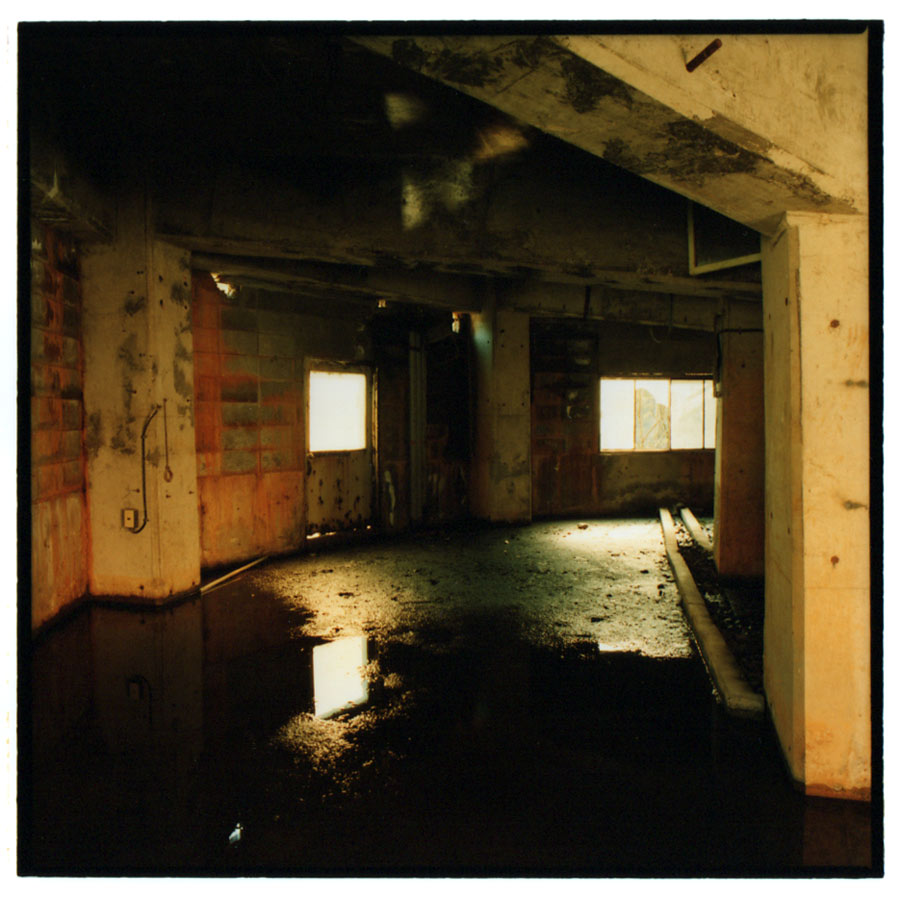
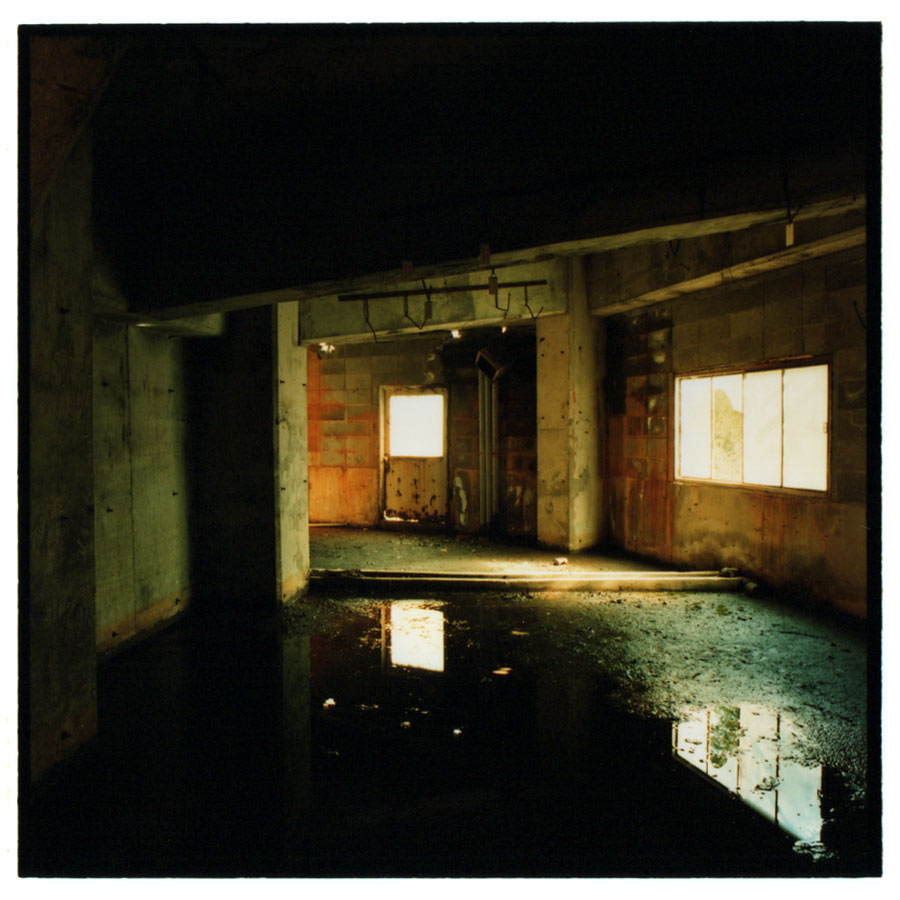
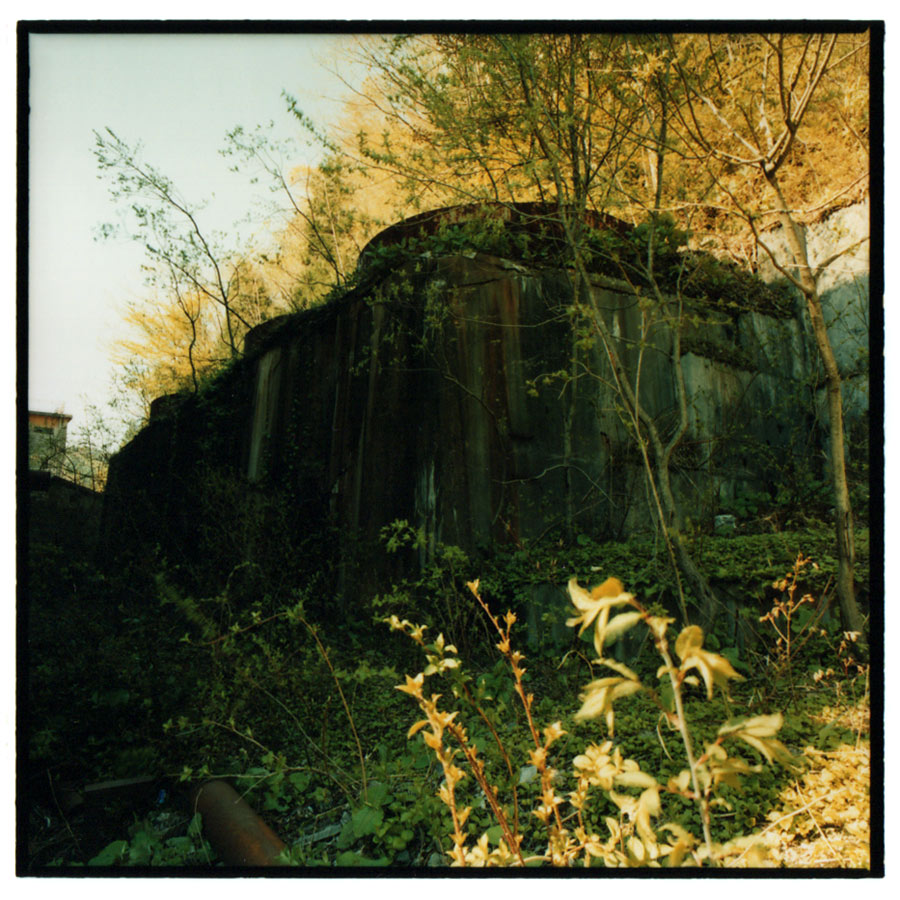
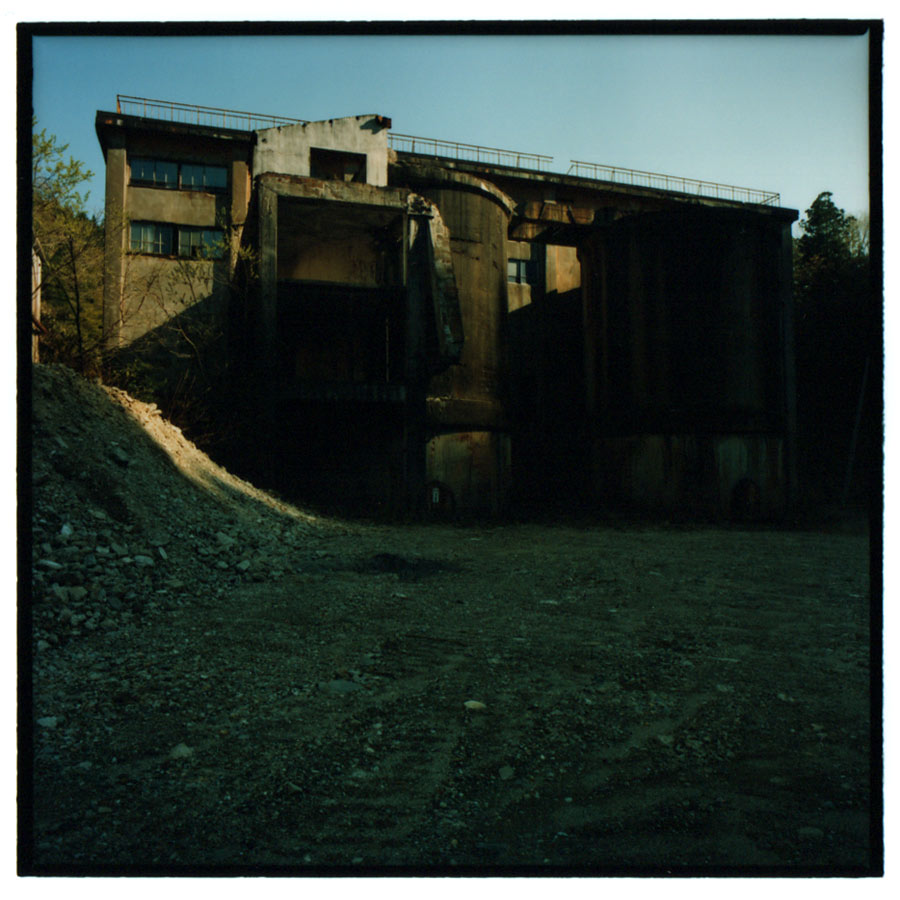
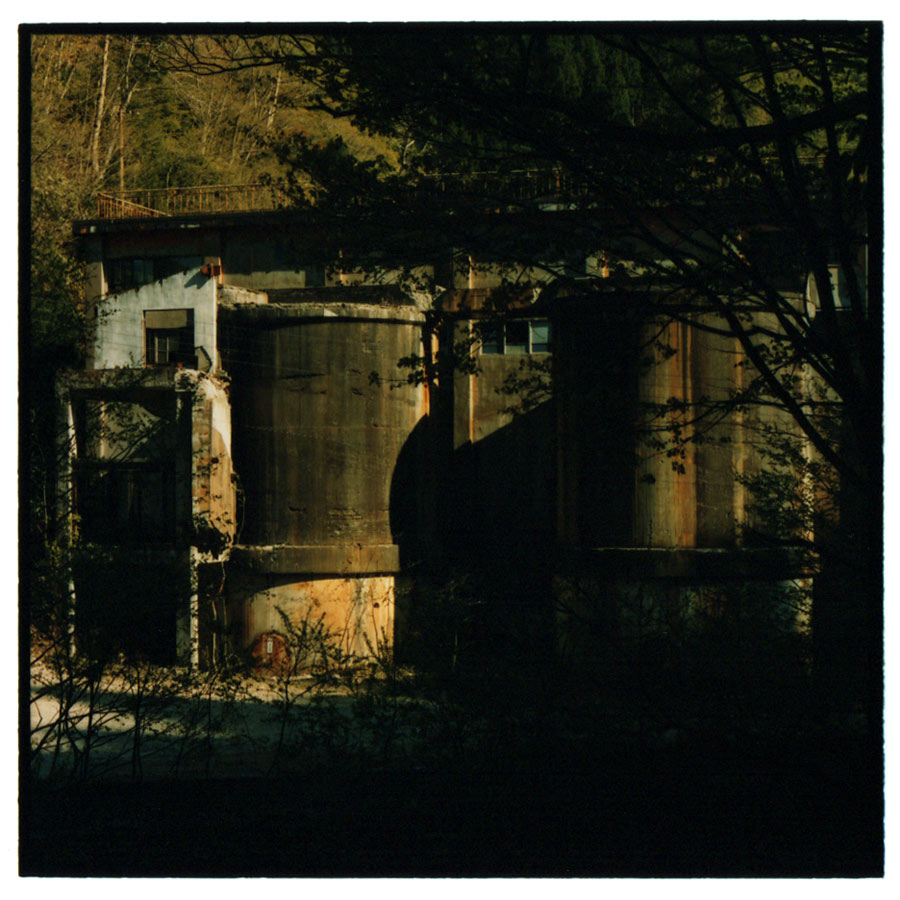
鉱山が位置する県北東部の一帯は、かつては国内有数の黒鉱の産地として知られました。 黒鉱とは海底の火山活動に伴って形成される複雑硫化鉱であり、難処理性を特徴とする一方、成分中に様々な有価金属を含むため、その重要性は 20 世紀半ばから鉱業技術の発展とともに高まりました。 三菱合資会社は 1910 年(明治 43 年)に古遠部川上流の山間に採掘鉱区を設け、翌年に四熊沢と曲屋沢、1934 年(昭和 9 年)に鍋窪沢で小規模に坑道探鉱を行いました。 終戦の翌年から探鉱調査が再開されますが、有益な発見に至ることなく、長い期間が経過しました。 こうした中、隣接鉱山における新鉱床の発見を受けて 1958 年(昭和 33 年)から試錐探鉱が進められ、翌年から 1962 年(昭和 37 年)にかけて湯ノ沢、大黒沢、曲屋沢に相次いで黒鉱鉱床が発見されました。 起業工事の完成に伴い、古遠部は尾去沢鉱業所の支山として 1963 年(昭和 38 年)に試験操業に入り、2 年後に古遠部鉱業所に改組されました。 さらに、1968 年(昭和 43 年)に東又沢鉱床が発見され、翌年に竪坑の新設や選鉱設備の増強が進められました。 生産は順調に拡大を続け、最盛期となる 1972 年(昭和 47 年)の月産粗鉱量は最大で 16,000 t に及び、従業員数は 282 名を数えました。 同じ頃、三菱金属は石油危機による非鉄金属市況の低迷を受けて事業の再編を図り、1976 年(昭和 51 年)に全ての保有鉱山を分離しました。 新たに発足した古遠部鉱業が事業を引き継ぎ、南古遠部鉱山として月産粗鉱量 13,500 t 前後で操業を続けますが、後に鉱石の品位低下や円高の影響を受けて閉鎖されることとなります。 1984 年(昭和 59 年)までの出鉱量は 317 万 t に上り、開発当初の可採鉱量 181 万 t を大幅に上回りました。 古遠部川の沿岸には選鉱設備や竪坑を備えた鉱山事務所跡が現在も残ります。
1986 年閉山
Furutobe Mine
The mine was located in the northeastern part of the prefecture, which was known as Japan's largest kuroko mining area. Kuroko is a black-colored complex sulfide ore formed by submarine volcanic activity. Although the ore is characterized by difficulties in ore dressing and smelting, it contains various valuable metals and gained importance with technological developments in the mining and smelting industries from the middle of the 20th century. Mitsubishi & Co. acquired mining rights for an area in the upper Furutobe River basin in 1910, and conducted small-scale tunnel exploration at Shikumazawa and Magariyasawa the following year, and at Nabekubosawa in 1934. Although mineral exploration was intermittently resumed from 1946, it yielded no significant results for many years. In 1958, taking advantage of the discovery of ore deposits at a neighboring mine, full-scale test boring began. As a result, the company successively discovered kuroko deposits at Yunosawa, Okurosawa, and Magariyasawa from 1959 to 1962. With the completion of mine development in 1963, the mine began trial operations as part of the Osarizawa mining operations and became an independent operating unit of the company two years later. The company discovered Higashi-Matasawa deposit in 1968 and began its development in the following year, which included the construction of a new vertical shaft and the expansion of beneficiation capacity. Production increased steadily and, in the peak year of 1972, reached a maximum of around 16,000 tonnes of crude ore per month, with a workforce of 273 employees. Meanwhile, Mitsubishi initiated rationalization due to a slump in the nonferrous metals market after the oil crisis and, in 1976, spun off all of its mining operations as separate companies. Accordingly, operations continued as Minami-Furutobe Mine in 1976 under the management of newly established Furutobe Mining Co., Ltd. Although the mine maintained a stable production of around 13,500 tonnes of crude ore per month, it was later closed due to a decline in high-grade ore and the strong yen. Total crude ore production until 1984 reached 3.17 million tonnes, significantly exceeding the recoverable reserves, which were estimated at 1.81 million tonnes at the beginning of development. The remains of the mine office with a vertical shaft and beneficiation equipment can still be seen today.
closure in 1986
秋田県鹿角郡小坂町小坂古遠部
銅、鉛、亜鉛、硫化鉄、金、銀、
石膏、重晶石
Kosaka-Furutobe, Kosaka Town, Kazuno County, Akita
copper, lead, zinc, pyrite, gold, silver,
gypsum, barite
鉱床は主に湯ノ沢、大黒沢東、大黒沢西、曲屋沢、東又沢からなり、東西 800 m、南北 1,000 m の範囲に分布しました。 南東の端に位置する湯ノ沢鉱床は鉱区の境界を超えて広がり、隣接する相内鉱山では弁天鉱床として稼行されました。 鉱山事務所に併設された第一竪坑は、坑内員の入退坑や鉱石の搬出に用いられた一方、山内に設けられた第二竪坑は水平坑道によって各鉱床と連絡し、坑内の物流を集約しました。 両者をつなぐ長さ 1,300 m の運搬坑道では架線式電気機関車が往復し、第一竪坑に付設された坑内破砕室に鉱石を運びました。 黒鉱から回収された精鉱は奥羽本線碇ヶ関駅までトラックで運ばれ、銅精鉱は小名浜製錬所、鉛精鉱は細倉鉱業所、亜鉛精鉱は秋田製錬所、硫化鉄精鉱は東北肥料や東洋高圧、日産化学工業に向けて出荷されました。 また、周辺では仮泊のための宿泊所を除いて住環境は整備されず、従業員は専用バスを用いて鹿角市の花輪、尾去沢から往復しました。
The ore deposits consisted mainly of Yunosawa, Okurosawa-Higashi, Okurosawa-Nishi, Magariyasawa, and Higashi-Matasawa, and were scattered over an area of 800 meters from east to west and 1,000 meters from north to south. The Yunosawa deposit, located on the southeastern edge of the mining area, extended across the boundary and was mined as Benten deposit by neighboring Ainai Mine. The First Shaft, attached to the mine office, was used for the entry of miners and ore haulage. Meanwhile, the Second Shaft at the mining site was connected to each ore deposit through horizontal drifts, thereby integrating underground haulage. Those shafts were connected by a main haulage level measuring 1,300 meters in length, where trolley locomotives hauled ore to the crushing room at the bottom of the First Shaft. Concentrates from kuroko were transported by truck to Ikarigaseki Station on the Uetsu Line. Subsequently, copper, lead, and zinc concentrates were shipped to the Onahama Smelter and Refinery, Hosokura Mine, and the Akita Smelter and Refinery, respectively. Furthermore, pyrite concentrate was supplied to companies including Toyo Koatsu Inc., Tohoku Fertilizer Co., Ltd., and Nissan Chemical Industries, Ltd. No housing was provided around the mine except for a lodging house, and dedicated buses shuttled employees between the mine and Hanawa or Osarizawa in Kazuno City.
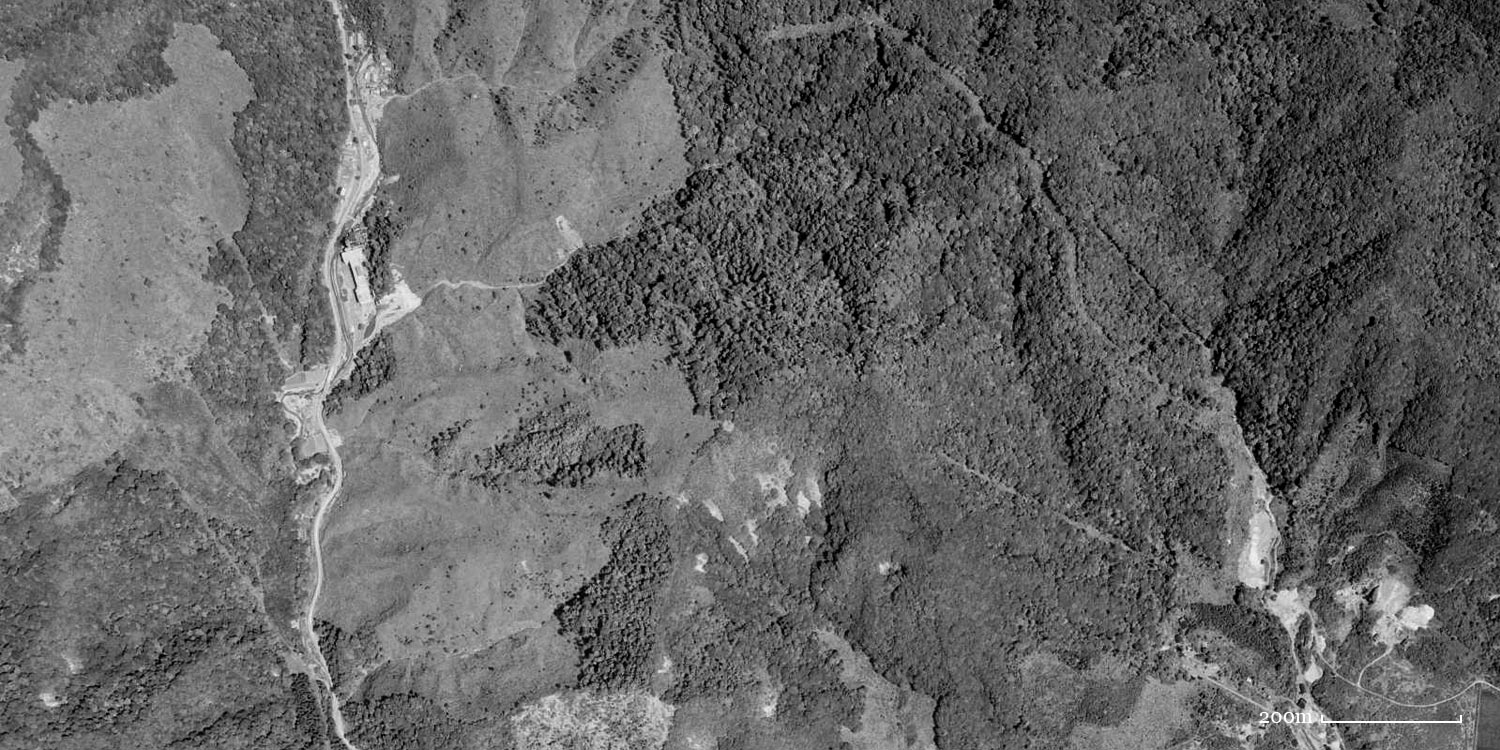
The year 1965
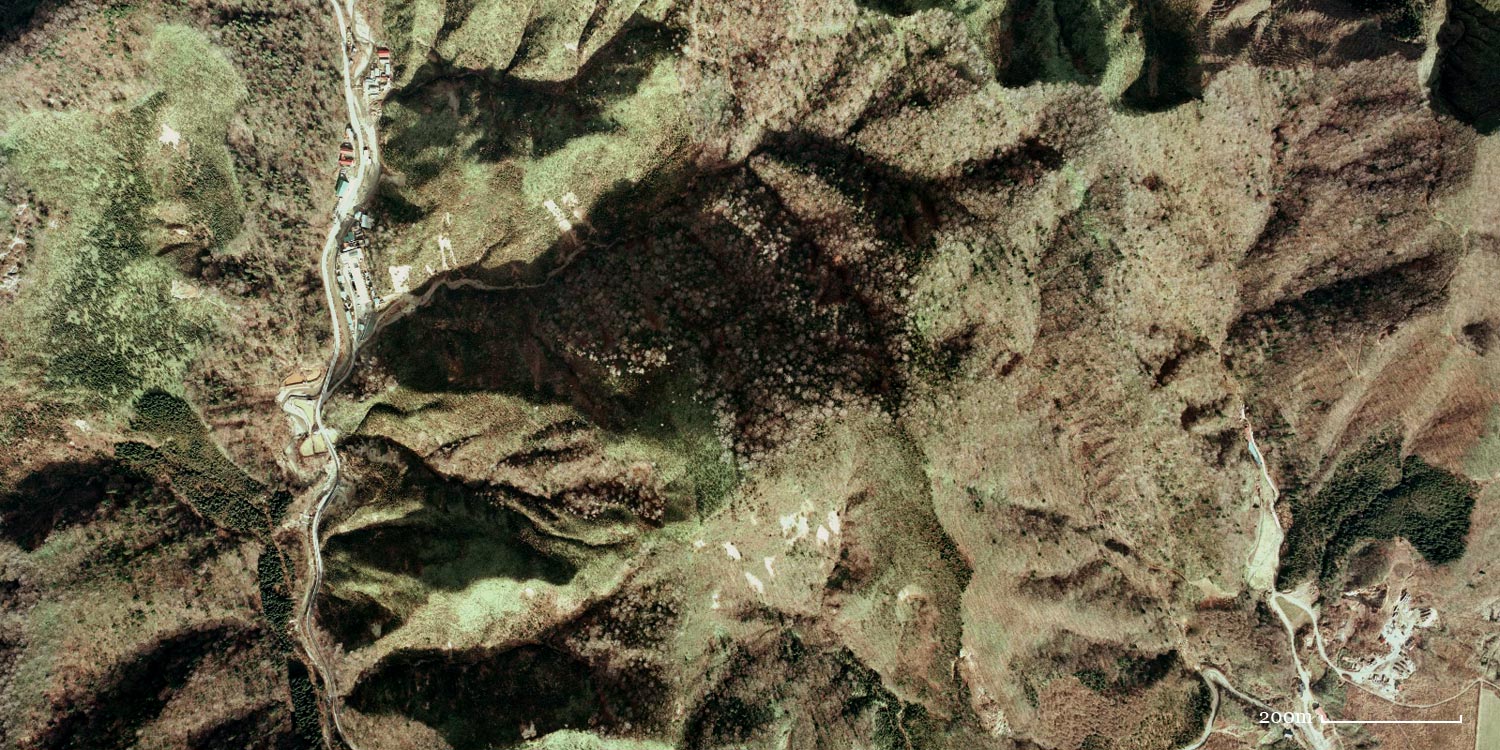
The year 1975
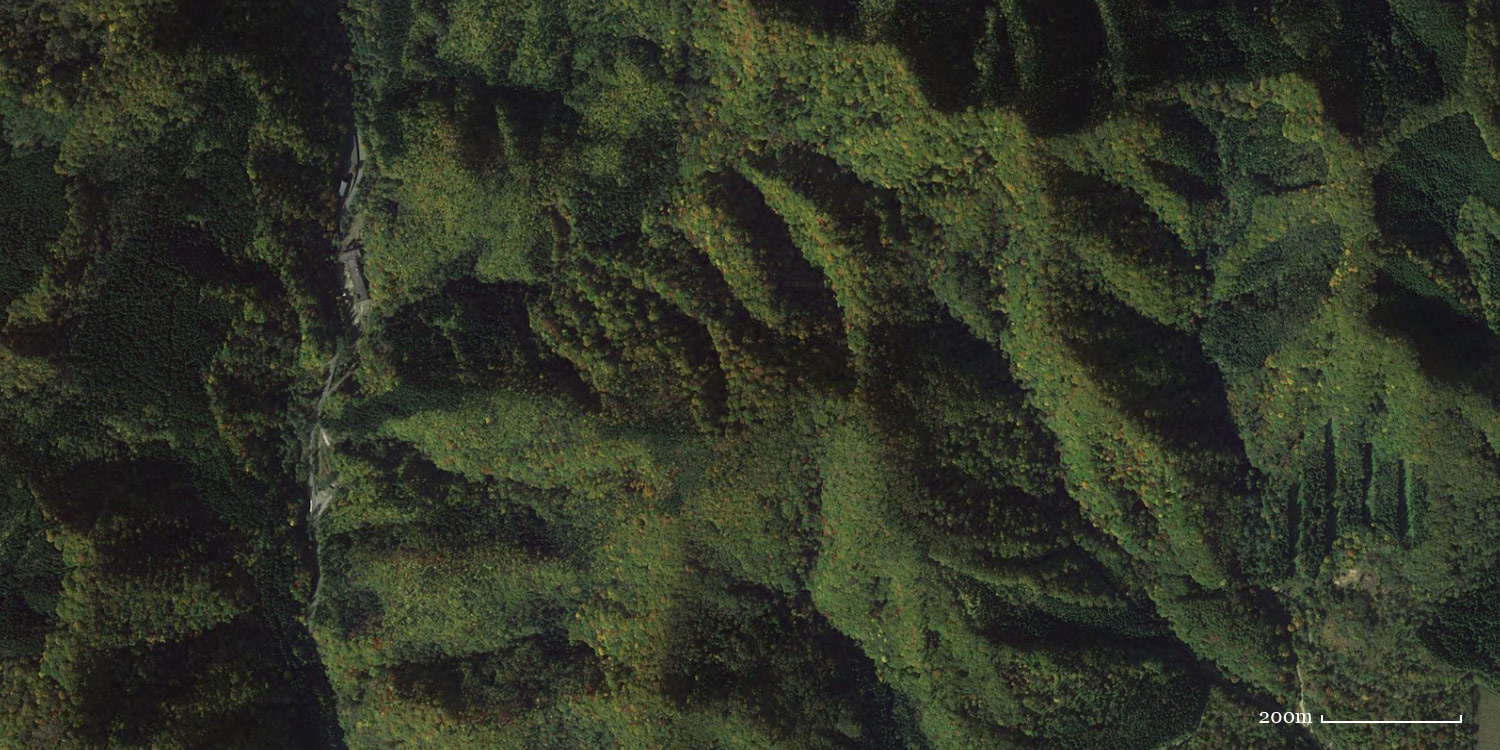
The year 2016