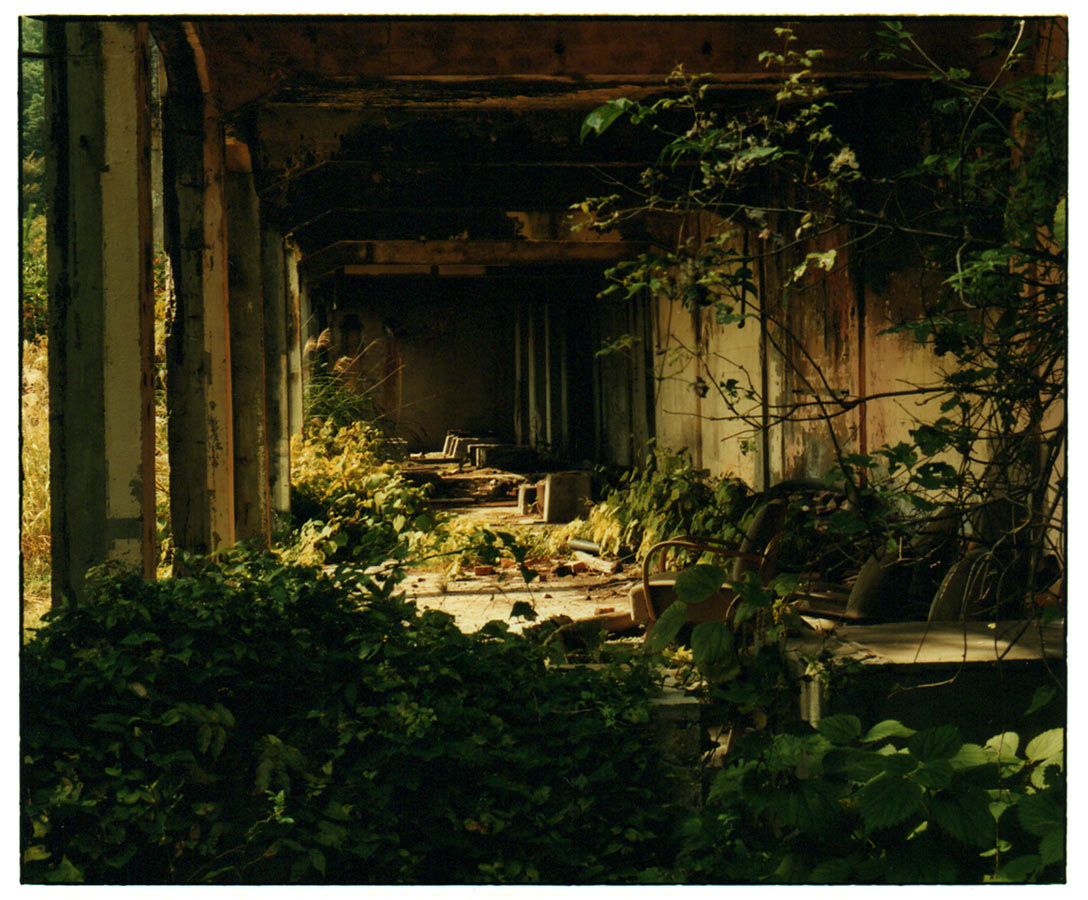
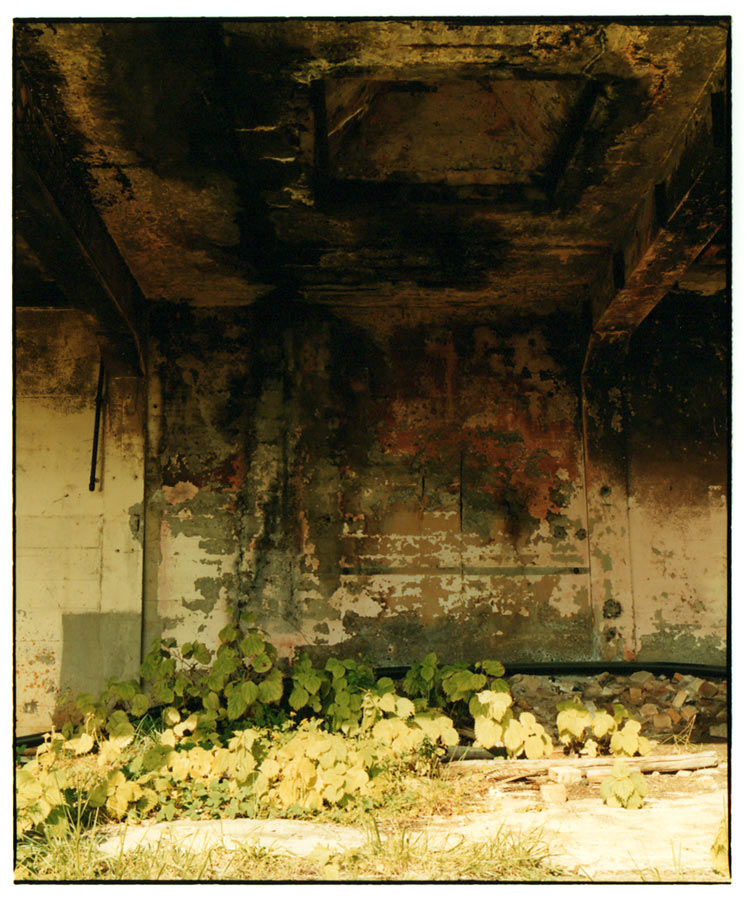
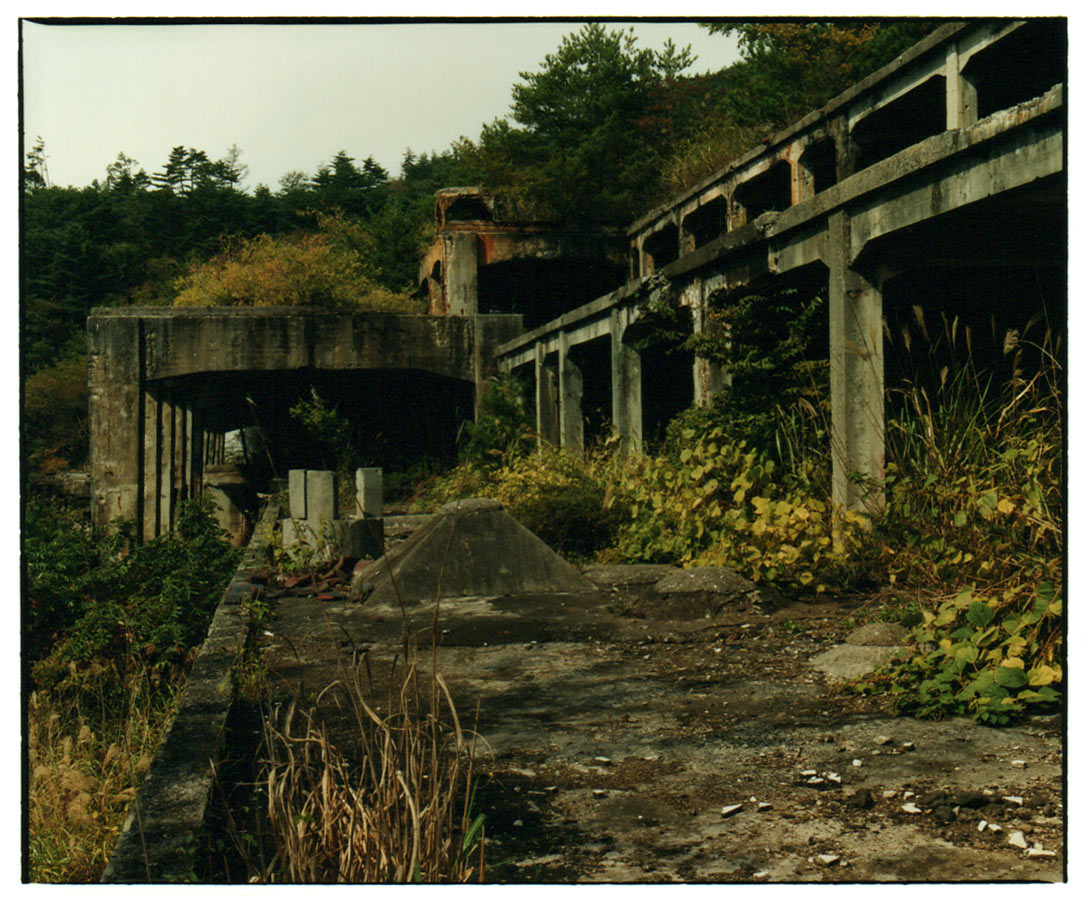
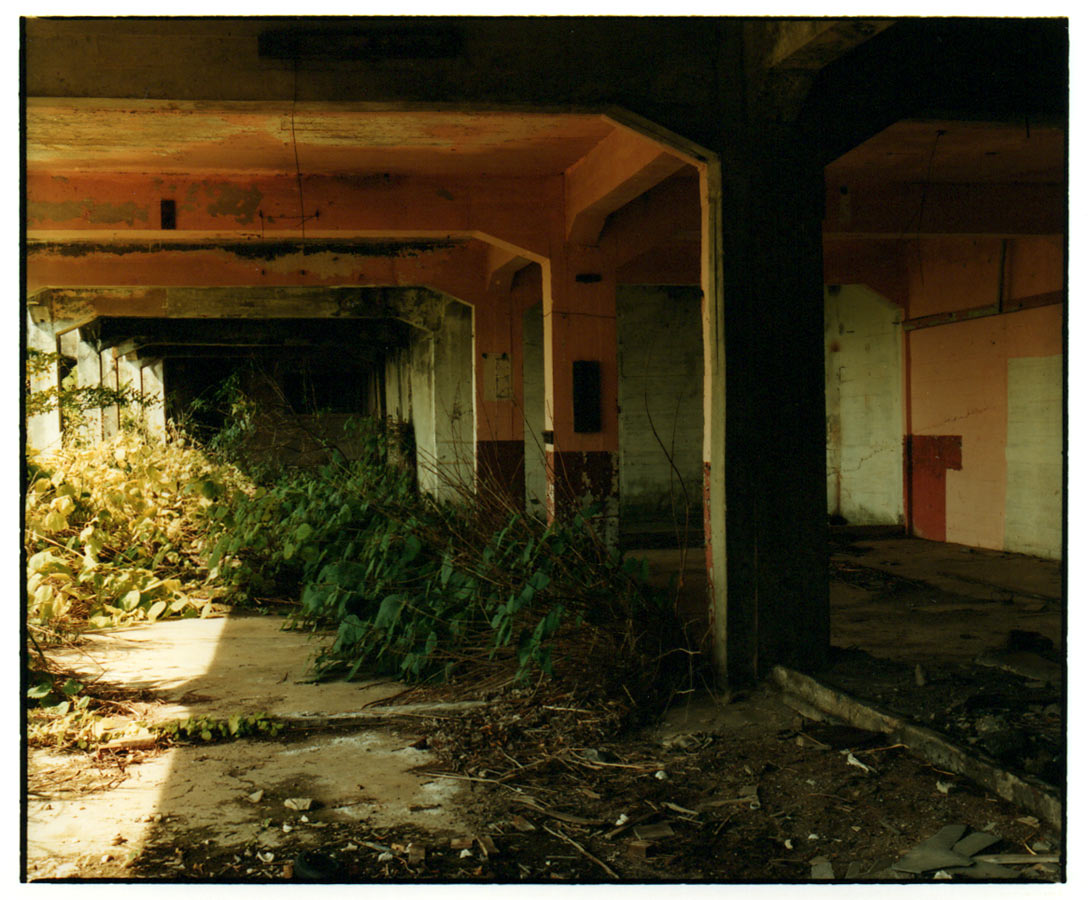
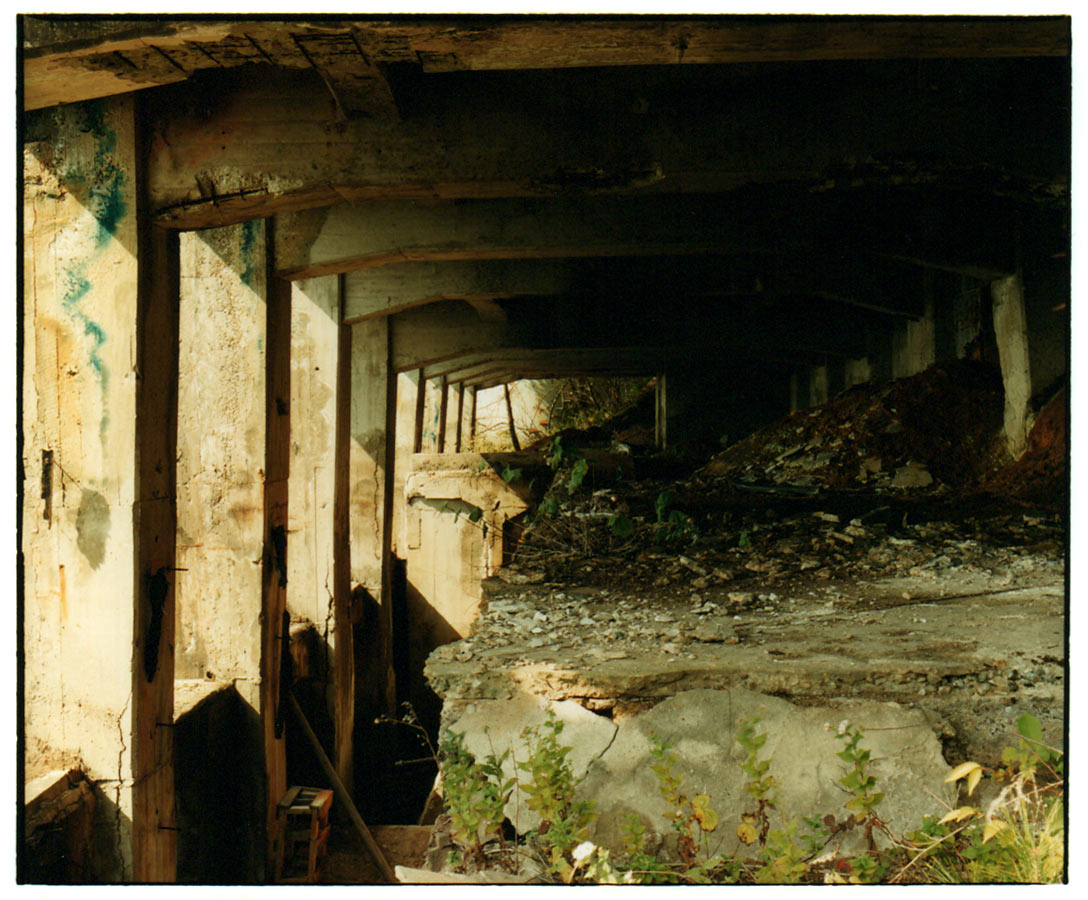
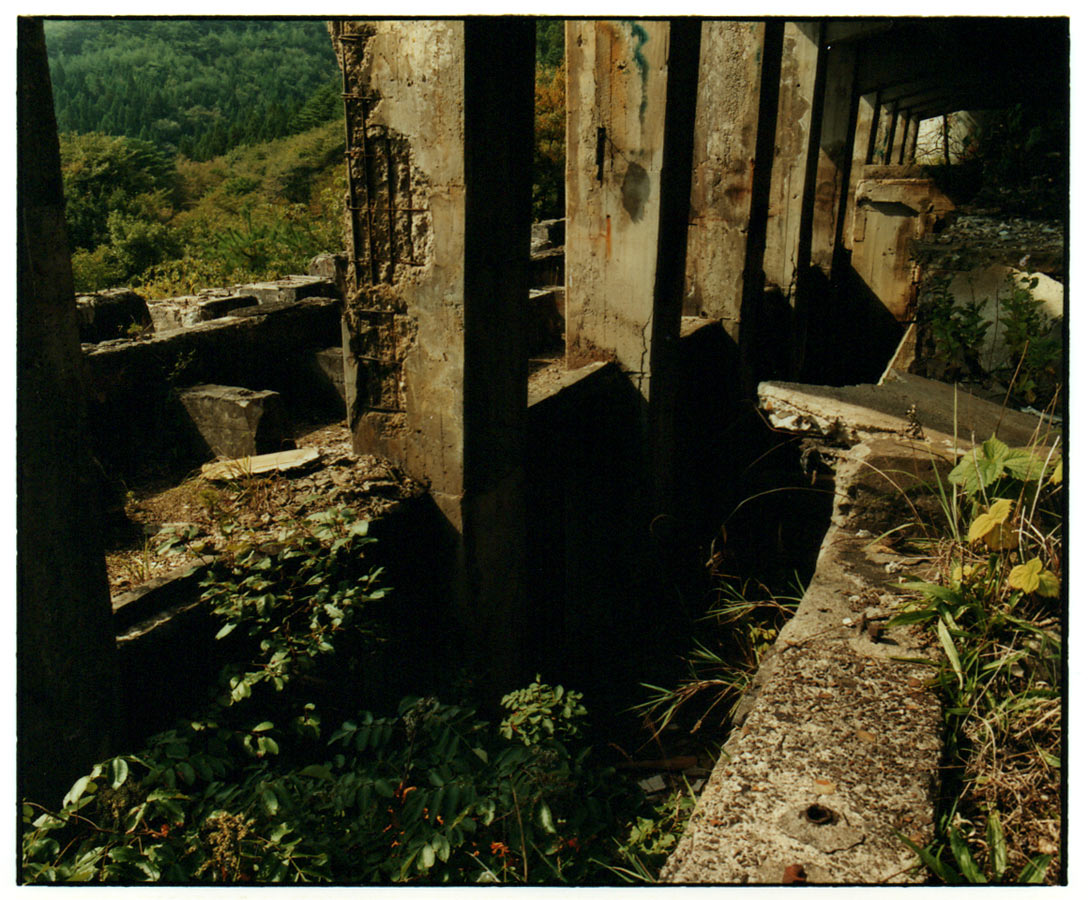
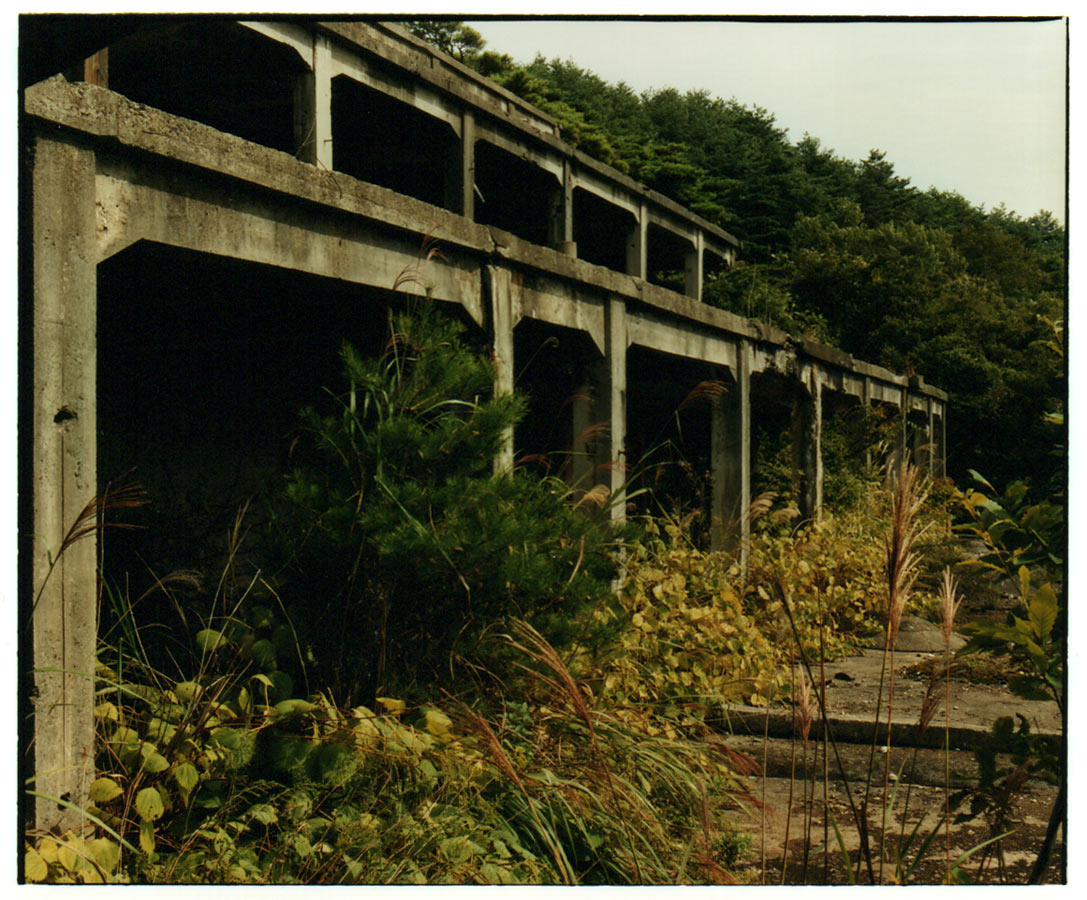
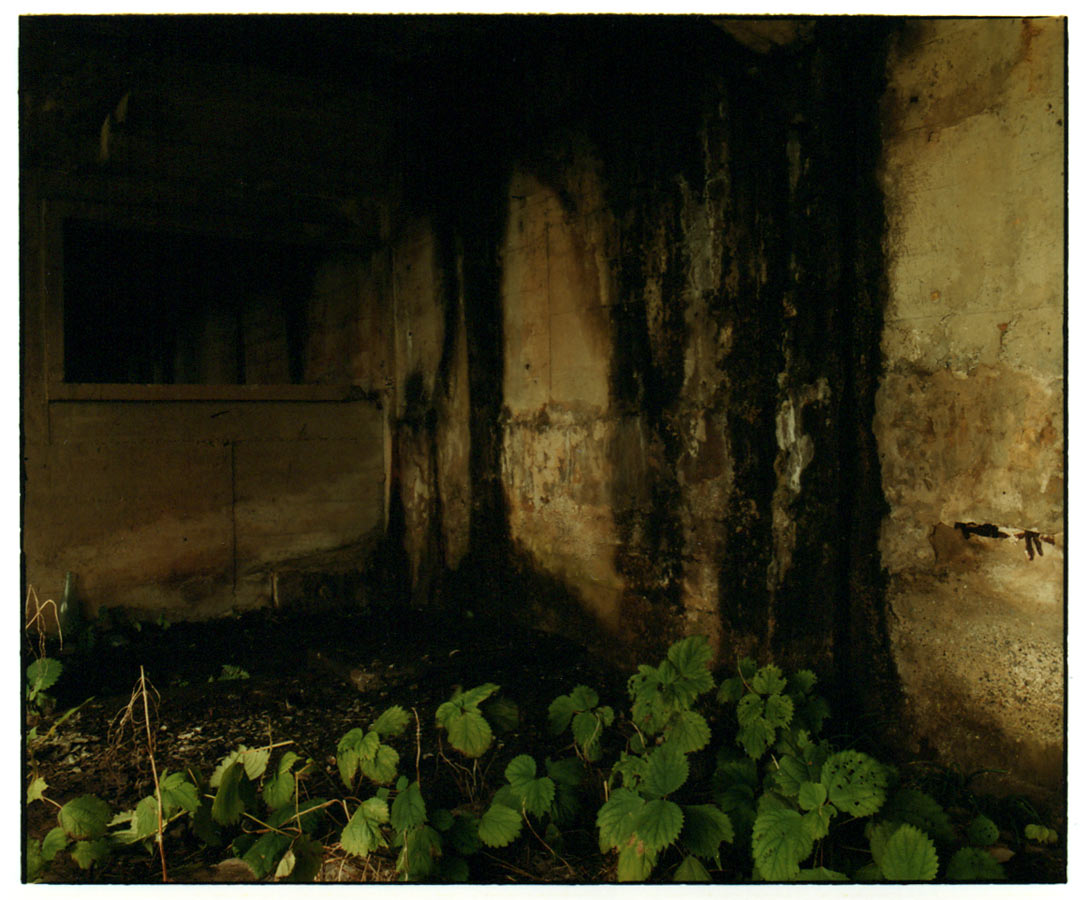
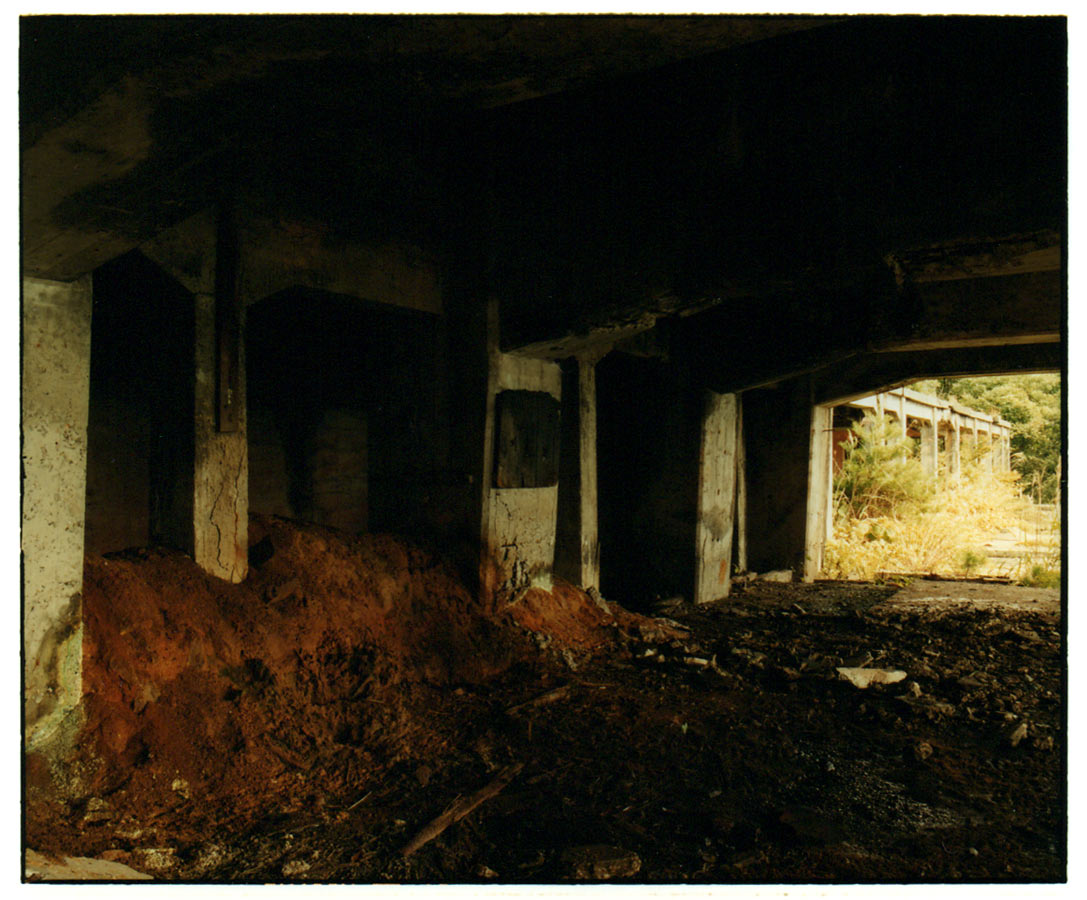
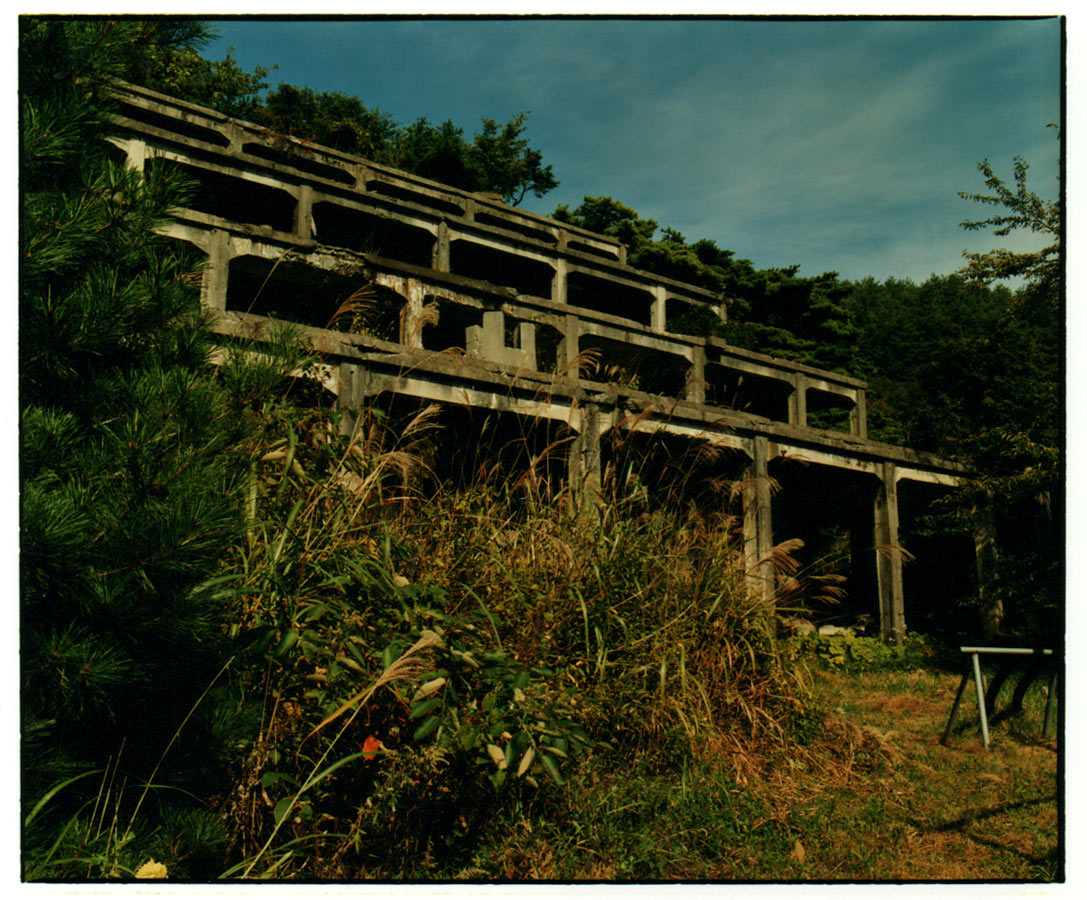
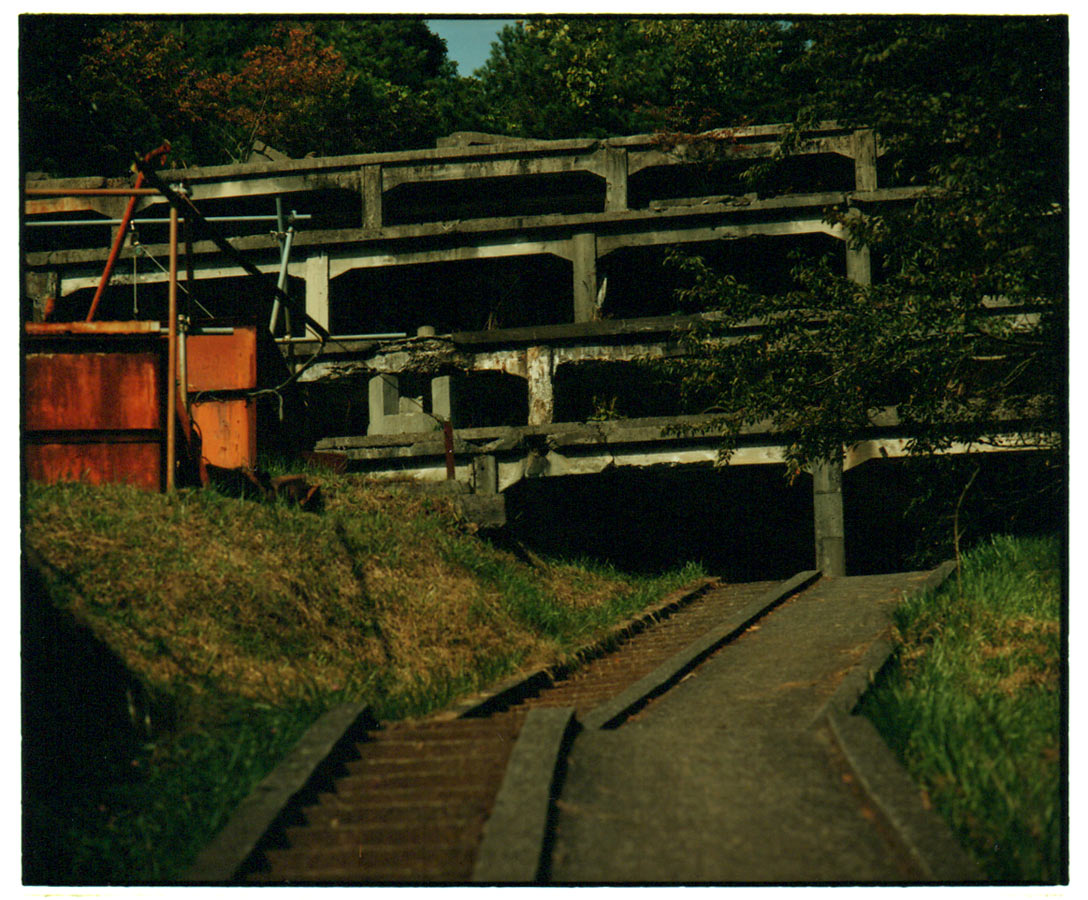
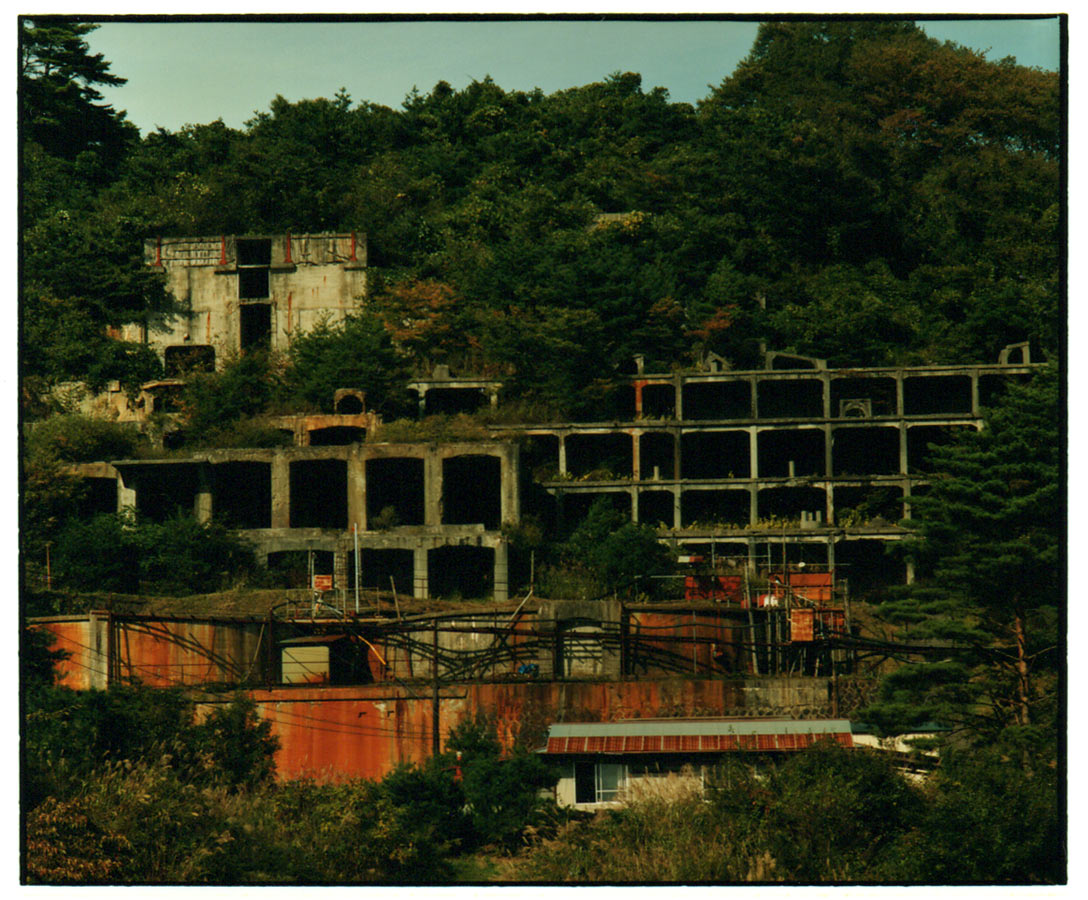
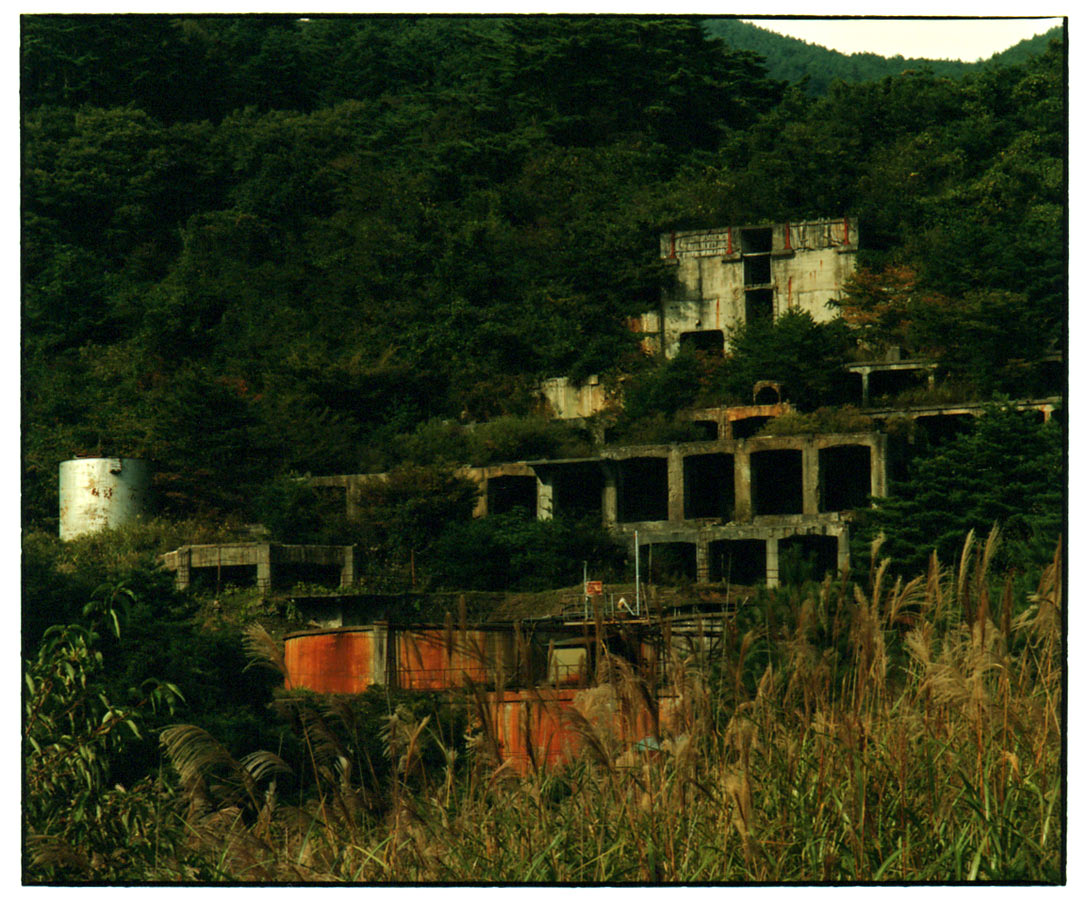
大谷鉱山跡
大谷から 7 km ほど北に位置する興北鉱山は、かつては松岩鉱山の名で稼行され、金鉱の他、銅鉱や砒鉱を産出しました。 戦後、松岩は磐井鉱業のもとで大盛、御殿、徳仙丈鉱山とともに磐井鉱山として統合され、銅山として稼行されました。 1957 年(昭和 32 年)に鉱業権を譲り受けた日本鉱業は、新たに新磐井鉱業を発足させ、大盛、徳仙丈の選鉱場を撤去して操業の中心を松岩に移しました。 しかし、経営不振が続いたことから、日本鉱業は事業の整理、再編を図り、1960 年(昭和 35 年)に興北鉱業を設立して経営を移管しました。 この翌年に大谷では興北鉱山の鉱石処理に向けて浮遊選鉱場が新設され、金、銀、銅、硫化鉄の回収が開始されました。 生産量は小規模ながら、同年の平均品位は大谷の値を上回り、金 13 g/t、銀 29 g/t に及びました。 その後、興北鉱業は 1964 年(昭和 39 年)に大谷鉱山株式会社に吸収され、大谷の選鉱場では 1976 年(昭和 51 年)まで興北産鉱石の処理が続けられました。
1976 年閉山
Oya Mine
Kohoku Mine, located at a distance of approximately seven kilometers north of Oya Mine, was formerly known as Matsuiwa Mine and produced gold, copper, and arsenical ores. In the postwar period, Iwai Mining Co., Ltd. consolidated Matsuiwa, Omori, Goten, and Tokusenjo Mines and operated them collectively as Iwai Mine, which primarily produced copper ore. In 1957, Nippon Mining Co., Ltd. purchased the mining rights and facilities and established Shin-Iwai Mining Co., Ltd. Later, the new company dismantled the beneficiation plants at Omori and Tokusenjo, concentrating operations at Matsuiwa. However, it continued to post operating losses, and therefore, Nippon Mining Co., Ltd. established Kohoku Mining Co., Ltd. in 1960 to reorganize the operations, followed by the transfer of mine management. At Oya Mine, a new flotation plant was constructed in 1961 to process ores from Kohoku Mine, recovering gold, silver, copper, and pyrite concentrates. Despite its small-scale production, the average grades in the same year reached 13 g/t in gold and 29 g/t in silver, exceeding those of Oya Mine. Kohoku Mining Co., Ltd. was absorbed into Oya Mine Co., Ltd. in 1964, and the flotation plant at Oya Mine continued to receive and process ore from Kohoku Mine until 1976.
closure in 1976
宮城県気仙沼市本吉町高瀬ヶ森
金、銀
Takasegamori, Motoyoshi Town, Kesennuma City, Miyagi
gold, silver